What is Pelvic Floor Physiotherapy for Hypermobile bodies? — Meet Physiotherapist Ann Szczepanski
- Laura Hernandez
- 3 hours ago
- 2 min read

Pelvic Floor Physiotherapists are Physiotherapists who have undergone postgraduate training in the pelvic floor, in addition to the treatment of orthopaedic conditions such as general neck, low back, hip and ankle pain.
Pelvic floor physiotherapy involves the assessment and treatment of the pelvic floor, including muscles, associated connective tissue and fascia, ligaments and nerves. These structures play an important role in bladder and bowel function, sexual function, and hip and low back stability. If these tissues are not functioning properly due to weakness, excessive recruitment and tension, poor timing or coordination with other muscles, or scarring, one can experience incontinence, pain and sexual dysfunction, among other issues.
Throughout the consultation, and with your consent, Physiotherapist Ann Szczepanski will assess:
Mobility of the midback, low back and hips
Postural control during static stance, squat, lunge and kneeling positions
Breathing patterns
Core function, including inter-recti distance for diastasis recti
Functional strength, endurance and control/coordination
Sensation, reflexes, tone and tensegrity of the abdominal/hip regions externally, and the pelvic floor region through an internal exam if appropriate
Ann will help address symptoms through self-management strategies, exercises and advice on returning to running and the gym. Please note that Kegels are not always indicated for pelvic floor problems. Sometimes they can do more harm than good, and often they are not performed correctly.
If you’d like to get started on your rehab journey, book an initial consultation https://mendcophysiotherapy.noterro.com/book-online/practitioner/1620268/Ann-Szczepanski.
Who Benefits from Pelvic Floor Physiotherapy?
Anyone experiencing:
Bladder or bowel accidents with coughing, sneezing or jumping
Constipation, difficulty moving your bowels, or bowel movements less than three times a week
Needing to go to the washroom more than 5–8 times a day
An urgent need to go to the bathroom
An uncomfortable sensation of needing to urinate that won’t go away
Urinary hesitancy or retention
Waking up at night to go to the washroom and having it disturb your sleep
Pelvic girdle, sacroiliac, hip, low back or tailbone pain
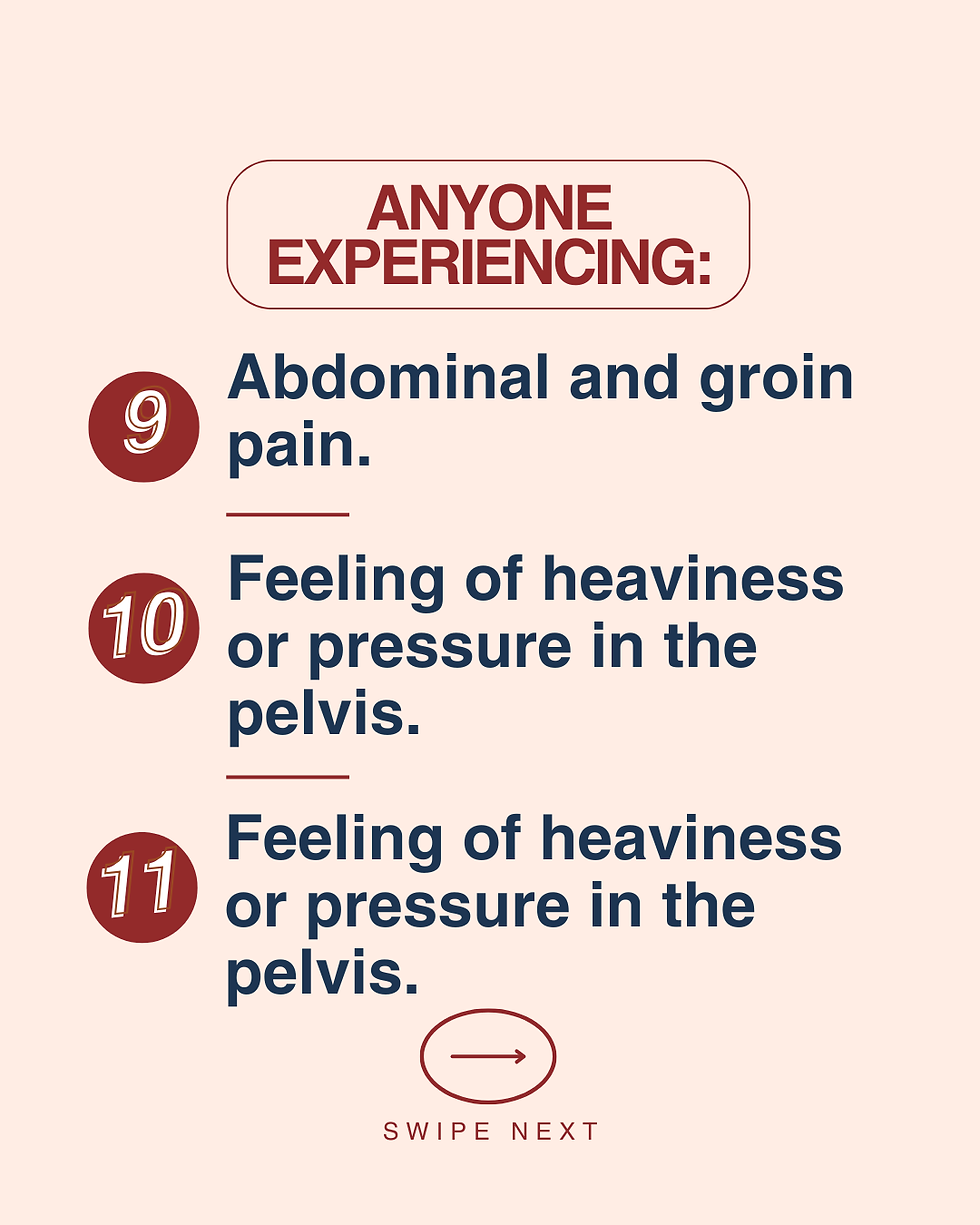
Abdominal and groin pain
A feeling of heaviness or pressure in the pelvis
Pregnancy
Recently giving birth
Pain during sexual activity
Painful pelvic or speculum exams
Pain with sitting
Altered genital sensation
Dyssynergic defecation
Frequent urinary tract or yeast infections
Pregnancy, including to:
Prevent and treat incontinence or pelvic girdle pain
Optimize labour and delivery
Minimize trauma to the pelvic floor
A diagnosis of endometriosis
For an explanation of what Pelvic Floor Physiotherapy is and what to expect from your consultation, please visit https://mendcophysiotherapy.noterro.com/book-online/practitioner/1620268/Ann-Szczepanski






Comments